A footpath looks like a small thing until it is missing. Then a ten minute walk turns into a detour around a fence, a busy road, and a very long wait at a crossing. Residents of Langdon Heights may find that better paths quietly change how close everything feels.
Connectivity is not only about trains and highways. It is about the last few hundred metres, the ones you walk with shopping bags or cycle with a child on the back. Here is a plain look at what good networks do, what to check, and where gaps hide. I kept it general, so confirm any plans on official pages.
Why Small Links Matter Most
Big roads move cars. Small links move people. A short connector between two estates can save ten minutes each way, and that adds up over a week. Nobody writes songs about a shortcut, but everyone uses one. Sheltered walkways also keep daily errands smooth when sudden rain hits or the midday sun turns harsh. Older residents and parents pushing strollers rely on flat ramps and smooth kerbs to get around safely. When every block connects cleanly, walking becomes the natural choice over starting the car.
Good links also make local trips easier. A parent can reach a school, a clinic, or a shop without crossing a major road. Walk the paths yourself and note where they end suddenly. A path that stops at a drain is a path half finished.
Safer Streets for Walkers and Cyclists
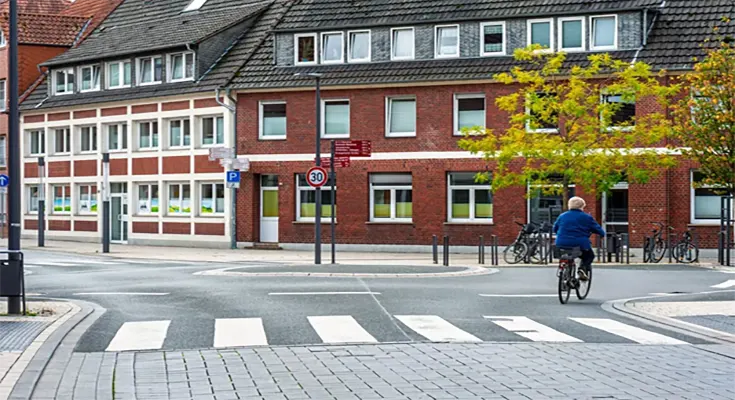
Safety decides whether people actually use a route. Separate lanes, clear crossings, and decent lighting make a real difference. Children and older adults notice these features first, because they feel the risk most.
Look for raised crossings, shaded stretches, and clear signs. Chencharu Central Residences is the sort of address worth testing against this list, since a safe walk to the bus stop matters more than a fancy lobby. Visit after dark once. Lighting tells its own story.
Better Access to Public Transport
Cycling and walking routes work best when they feed stations and bus stops. A sheltered path to the platform can replace a short drive, and secure bike parking removes another excuse. Small touches, big habit change.
Check how far the nearest stop sits, and how the path behaves in rain. Official transport pages usually publish maps and planned upgrades. Timelines slip, so treat dates as rough hopes. A route that already works today is worth more than a promise.
Health and Daily Lifestyle Gains
People who walk or cycle to run errands move more without trying. No gym fee, no special clothes, just a habit tucked inside the day. Over months, that adds up to better fitness and often a better mood.
Cleaner air and quieter streets follow when fewer short trips use cars. Children gain independence, too, by cycling to a friend’s place on their own. Start with one regular trip, such as a morning coffee run, and let the habit grow.
Local Shops and Community Life
Foot traffic helps small businesses. A cafe along a walking route catches passers-by that a car would simply whizz past. Neighbours bump into each other, chat, and slowly form a community.
Watch for lively stretches with shops, benches, and trees. They tell you the network is working. Empty paths with blank walls feel different. Visit on a weekday evening and a Saturday morning, and see whether people are actually out and about.
Effects on Property Appeal
Buyers and tenants increasingly value walkable surroundings. A home with easy access to paths, parks, and stations feels more flexible, and that can support demand over time. The effect is gradual, not dramatic.
Treat it as one factor among many. Check price, layout, and lease terms too. Langdon Heights and nearby homes deserve a balanced look, with paths as a bonus rather than the whole reason to buy. Official planning page show what is confirmed and what is only proposed.
Conclusion
Cycling paths and pedestrian network improve connectivity by linking homes to transport shop school and green spaces. They make short trips safer and easier, and they support healthier daily habits. The gains are quiet, but they are real.
Plans can change, so follow official updates and test routes yourself. Whether you favour Langdon Heights or Chencharu Central Residences, walk the neighbourhood before deciding. A good path is easy to ignore until you use it every day.